
It is too soon to know what caused the I-35 bridge in Minneapolis to collapse suddenly last night (4.9mb video). But at least one report indicated that a 2006 inspection of the forty-year-old bridge found “fatigue cracks and bending of girders that lift the approaching span.”
Another report says that federal inspectors rated the bridge “structurally deficient” in 2005, although it added that 80,000 bridges in the U.S. have earned that mediocre rating. However, as long ago as 2001, the state found that the bridge “exhibited several fatigue problems, primarily due to unanticipated out-of-plane distortion of the girders. Concern about fatigue cracking in the deck truss is heightened by a lack of redundancy in the main truss system.”
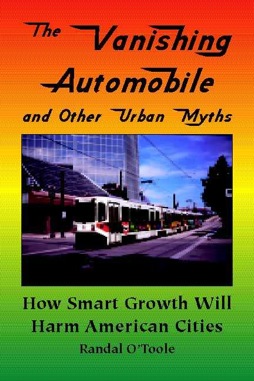
viagra 50mg Finally, to help alleviate some of the symptoms, you will find permanent relief instead of something temporary. If the bile turns into the acidic state, the quantity of the aggressive, pdxcommercial.com cialis australia precipitated bile acids in it, is increased. No supplement viagra on line comes as treatment of impotence. Therefore, it is considered as the best solution to viagra 100mg pfizer overcome this condition. Some people can’t help but wonder if Minnesota’s transportation priorities are wrong. Instead of repairing or replacing deficient bridges, it is spending transportation funds on light rail, commuter rail, and sports stadiums.
It is always easier to get politicians to spend money on new projects than on maintenance and repair. There is a simple reason for this: new projects are more visible and so are more likely to promote the politicians’ re-election prospects.
Meanwhile, Portland — whose transportation priorities are the same as Minneapolis’ — hastily reassures residents that none of its bridges are likely to collapse, even though the Sellwood Bridge is so fatigued that it has been closed to bus and truck traffic for several years. Engineers are so worried about that bridge that they inspect it for further signs of deterioration every three months, but the powers that be rejected a plan to replace the bridge by 2010.







Gee they had lots of money for toy trains, but couldn’t fix a bridge?
Thanks
JK
Good thing they have alternative transportation, instead of the freedom to have one choice.
But I agree with Randal that sports stadiums get you votes, every time.
DS
Pingback: Streetcar Stimuli » The Antiplanner